The magisterium of the Catholic Church is vast on the value of the Word of God contained in Sacred Scripture and Christian life. Specifically, the magisterium is very rich and extensive in the - nearly - nine years of the pontificate of Pope Francis that he has given to the current life of the Church and world on this same subject, from which I will highlight the following three documents:
- The Apostolic Letter “Misericordia et misera,” at the conclusion of the extraordinary jubilee of mercy on November 20, 2016, in which the Pope expressed the wish that “every Christian community, on one Sunday of the liturgical year, could renew its efforts to make the Sacred Scriptures better known and more widely diffused. It would be a Sunday given over entirely to the word of God, so as to appreciate the inexhaustible riches contained in that constant dialogue between the Lord and his people.” (7)
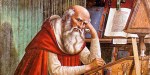
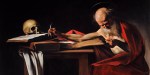
- The Apostolic Letter, “Aperuit Illis” issued Motu Proprio on September 30, 2019, in Liturgical Memory of Saint Jerome at the beginning of the 1600th anniversary of his death, with which Pope Francis institutes that longing for the: SUNDAY OF THE WORD OF GOD: “I hereby declare that the Third Sunday in Ordinary Time - which this year is celebrated on January 23, 2022 - is to be devoted to the celebration, study and dissemination of the word of God. This Sunday of the Word of God will thus be a fitting part of that time of the year when we are encouraged to strengthen our bonds with the Jewish people and to pray for Christian unity. This is more than a temporal coincidence: the celebration of the Sunday of the Word of God has ecumenical value, since the Scriptures point out, for those who listen, the path to authentic and firm unity.” (3)
- The Apostolic Letter “Scripturae sacrae affectus,” on the sixteenth centennial of the death of Saint Jerome, on September 30, 2020, with which he invited us all to “love what Jerome loved”: the Word of God. It is a letter with which – as I wrote at the time – “in addition to paying tribute to the life and work of this great human and Christian being, the Pope reaffirms the doctrine of the Catholic Church on Sacred Scripture, the primary source for faith and religion of all believers in Christ, of Catholics and, furthermore, for the experience and human activity of every man and woman of good will.” Because in all his teachings and, especially, with the SUNDAY OF THE WORD OF GOD, "Pope Francis - in tune with the great reforms made, in the Church and for its mission in the World, by the Second Vatican Ecumenical Council, invites us – once again – to return to the source, to drink and feed our faith from the primordial source of God's Revelation that is Jesus himself - Word of the Father - and his gospels and to place the Holy Scriptures in the centrality of our personal Christian experience and in the life of the whole Church, of its existence and acts.”
In a world where we increasingly pursue connection, and where we, paradoxically, communicate less, perhaps, with tons of words, through the messages that technological advances allow today, it is possible that the word is being devalued, that it is losing its human and original value and power, which could explain, for example, the phenomenon of so many men and women who – amid so much telecommunication – experience, at the same time, so much loneliness and so much suffering due to isolation. Because the word has the power to communicate, to bring us closer, to make us known. Through the word we create, build, form lives, make knowledge, instruct, illuminate and transform our lives and the lives of others. But misused, mishandled, manipulated, and abused, the word also has the power to destroy lives, to harm, to kill.
The Christian, the man and woman who follow Christ, must know and recognize the immense value of the Word that creates and builds as in the biblical account of creation, when – through the Word – God creates. “And God said, “let there be...” (Cf. Gen 1:1ss; Jn 1:1ss) and of the Word that reveals, that makes known: what we confess about Jesus of Nazareth, as the Son of God and the Word of the Father, because, with all his actions and words, he shows the compassionate and merciful face of God the Father: “Whoever has seen Him has seen the Father” (Jn 14:9).
May this SUNDAY OF THE WORD OF GOD be a space and time for us to reflect on the value and role of the word in our lives and our daily interpersonal relationships. May we ask ourselves if our words build or destroy. May we ask ourselves – in short – if, in our daily lives, we are aware of the power and value of the word.
But as Christians, especially, we have to ask ourselves what word or words we follow and if we follow THE WORD OF GOD that is CHRIST himself: the Word that feeds and sustains us, the Word that strengthens us and illuminates our lives with his life.
May we ask ourselves if – as disciples of Christ, through our deeds and words, we make known the love of the Father, if we manifest with our lives the goodness of God, if each one of us is a revelation of God, in the image and likeness of the Son. In conclusion, on this SUNDAY OF THE WORD OF GOD and always, as believers, we must ask ourselves about the position and value that we give to the WORD OF GOD in the life and works of the Church.